
Grief Counselling in Windsor and Online Across Ontario
Are You Struggling to Cope With a Loss?
Our grief counsellors provide in-person grief counselling in Windsor and secure online grief therapy for clients throughout Ontario. Grief can arise from any major loss or life transition—the death of a loved one, the end of a meaningful friendship, the loss of a job, the passing of a beloved pet, or even moving away from a cherished community. Regardless of the cause, grief can feel incredibly isolating, leaving you with the sense that no one truly understands what you’re going through.
Recognize the Symptoms of Grief
- Depression and despair
- Feeling emotionless and numb
- Withdrawal from others
- Panic attacks or anxiety
- Anger and hostility
- Feelings of guilt or betrayal
- Difficulty concentrating
- Changes in sleep cycle
- Drastic change in religious views
- Weight loss or gain, changes in appetite
- Lack of ability to function at a basic level
- Post-traumatic stress / flashbacks
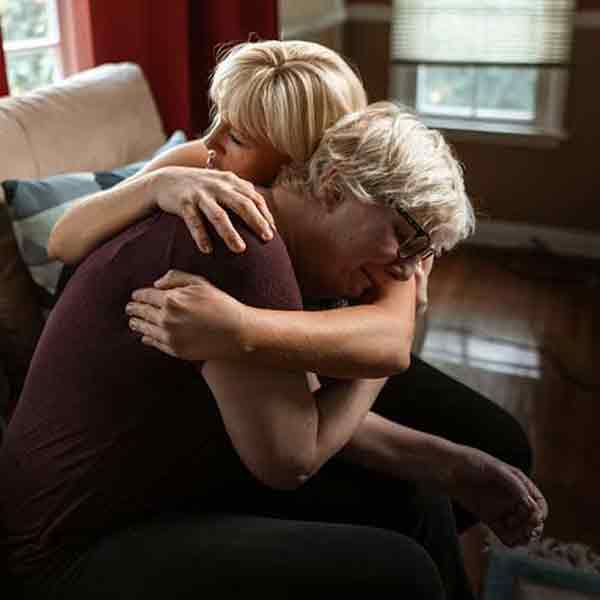
Grief is a Normal Response to Loss
Grief is a natural and universal part of the human experience. While it often follows the loss of someone or something deeply meaningful, it can still feel anything but “normal” in the moment. You may question your emotions, feel pressured to “get over it,” or worry that your pain isn’t justified. Well-meaning friends or family might even urge you to move on before you’re ready.
But grief isn’t something you can rush or simply will away. It’s a personal journey—one that allows you to honor what you’ve lost and begin to heal. Taking the time to grieve isn’t just okay—it’s a necessary and healthy response to loss. Your feelings are valid, and healing needs to come at your own pace.

However, when grief remains unprocessed for an extended period, it can begin to surface in ways that may be harmful or self-destructive. Unresolved grief may lead to behaviors such as substance use, compulsive shopping, chronic depression, anxiety disorders, or other forms of escapism that provide temporary relief but ultimately mask the underlying pain.
Recognizing when grief feels overwhelming or unmanageable is an important step. Seeking help early can make a significant difference in your healing process, offering support, clarity, and healthier ways to cope.
Types of Bereavement Therapy We Help With
Although grief is often associated with the death of a loved one, it can arise from many life experiences. Every loss is unique, and there is no “right” way to grieve. At Clear Path Counselling, our grief therapists provide compassionate support for individuals facing many different forms of loss, including bereavement, traumatic death, pregnancy loss, pet loss, and major life transitions. You can explore the full list below.
Death of a Spouse or Life Partner
Losing a spouse or life partner can change every aspect of daily life. Beyond the profound emotional pain, many people struggle with loneliness, changes in routine, financial concerns, and the loss of future plans. Grief counselling provides a safe place to process these emotions while helping you gradually adjust to life after such a significant loss.
Death of a Parent
The death of a parent can be deeply painful regardless of your age. Whether the loss was sudden or expected, many people experience sadness, guilt, regret, or a sense that an important source of support is gone. Counselling can help you honour your relationship with your parent while finding healthy ways to navigate life without them.
Death of a Child
The loss of a child is one of the most devastating experiences a parent can endure. There is no timeline for healing, and every person’s grief journey is different. Our therapists offer compassionate, non-judgmental support to help parents process overwhelming emotions while respecting the unique bond they shared with their child.
Miscarriage
Miscarriage is a deeply personal loss that is often misunderstood or minimized by others. Many individuals and couples experience grief, sadness, anger, or feelings of isolation following a miscarriage. Grief therapy offers a confidential space to acknowledge your loss, process difficult emotions, and begin healing.
Pregnancy Loss
Pregnancy loss can occur at any stage and often brings heartbreak, uncertainty, and grief for the future you had imagined. Whether the loss was early or later in pregnancy, counselling provides compassionate support while recognizing that every family’s experience is unique and deserving of care.
Pet Loss
For many people, pets are beloved members of the family. Losing a cherished companion animal can bring profound sadness and loneliness, yet this grief is sometimes overlooked by others. We provide understanding, supportive counselling to help you honour the important relationship you shared and cope with your loss.
Divorce
The end of a marriage often involves grieving the loss of a relationship, shared dreams, family routines, and future plans. Even when divorce is the right decision, feelings of sadness, anger, uncertainty, or loneliness are common. Therapy can help you process these emotions while building confidence for the next chapter of your life.
Separation
Relationship separation can create emotional upheaval and uncertainty, especially when children, finances, or significant life changes are involved. Counselling offers a supportive environment to explore your emotions, strengthen coping skills, and begin adjusting to life after the relationship.
Job Loss
Losing a job can affect far more than your income. Many people grieve the loss of purpose, routine, professional identity, financial security, and workplace relationships. Grief counselling can help you process these changes, rebuild confidence, and move forward with renewed hope.
Retirement
While retirement is often viewed as a positive milestone, it can also bring unexpected feelings of loss. Changes in identity, daily structure, social connections, and purpose may leave some individuals feeling uncertain about the future. Counselling can help you navigate this transition while discovering new meaning and opportunities.
Medical Diagnosis
Receiving a serious medical diagnosis—whether your own or that of someone you love—can trigger grief for the life you expected to have. Individuals may mourn changes to their health, independence, future plans, or sense of security. Therapy provides emotional support while helping you adapt to these significant life changes.
Caregiver Grief
Providing ongoing care for a loved one can be emotionally and physically exhausting. Many caregivers experience grief long before a loved one passes away, while also coping with stress, guilt, and burnout. Counselling offers support for caregivers as they balance compassion for others with care for themselves.
Loss of Identity
Major life transitions can leave people questioning who they are. Whether the change follows retirement, divorce, illness, becoming an empty nester, or another significant event, the loss of identity can bring feelings of grief and uncertainty. Therapy can help you rediscover your strengths, values, and sense of purpose.
Friendship Loss
The end of a close friendship can be just as painful as the loss of a family relationship. Whether the friendship ended through conflict, distance, or changing life circumstances, many people experience sadness, disappointment, and loneliness. Counselling provides a safe space to process these emotions and move toward healing.
Grieving After Addiction
Addiction often affects entire families. Whether you are grieving the death of someone who struggled with substance use or mourning the relationship that addiction changed, the emotions involved can be complex. Feelings of love, anger, guilt, relief, and sadness frequently exist together. Therapy helps individuals process these complicated emotions with compassion and without judgment.
Suicide Loss
Losing someone to suicide often brings an especially complex form of grief. Alongside profound sadness, many survivors experience guilt, confusion, unanswered questions, or feelings of isolation. Our therapists provide a safe, supportive environment where you can openly explore your emotions, honour your loved one’s memory, and work toward healing at your own pace.
Traumatic Death
The sudden or unexpected death of a loved one through an accident, violence, homicide, or other traumatic circumstances can leave lasting emotional effects. Many people experience shock, intrusive memories, anxiety, or symptoms of trauma in addition to grief. Trauma-informed grief counselling can help you process both the loss itself and the emotional impact of how it occurred, supporting healing with care and senstivity.
Grief Therapy Expertise
Everyone experiences grief differently, which is why our grief therapists tailor therapy to your unique needs, experiences, and goals. We provide a safe, supportive space where you can process your loss, understand your emotions, and develop healthy ways to cope while navigating the challenges that grief can bring to daily life.
Our therapists draw on evidence-based approaches, including Cognitive Behavioural Therapy (CBT), Solution-Focused Brief Therapy (SFBT), Emotionally Focused Therapy (EFT), and Somatic Therapy. These approaches help reduce emotional distress, strengthen resilience, process traumatic experiences, and support healing at a pace that feels right for you.
Grief is not something you simply “get over.” Rather than asking you to follow a timeline or move on, we help you find meaningful ways to live with your loss while honouring the relationship, memories, or life that has changed. Whether your grief is recent, prolonged, or connected to a traumatic event, our experienced grief therapists are here to guide and support you with compassion, understanding, and professional expertise.
Jason McKinlay
Individual Adult Therapist
“I have specialized training in both normative and complex grief, helping individuals navigate the natural process of loss as well as the more complicated experiences that can feel overwhelming or prolonged. Whether you’re grieving the death of a loved one, a pet, or a major life change, I offer a safe and compassionate space to process your pain, honour your loss, and begin to adjust to a new sense of normal. More about Jason >>
Jason McKinlay MSW, BSW, RSW
Email: jasonmckinlaymsw[at] gmail.com
Phone: 519-300-1549

Denise Turner
Hi, I’m Denise Turner, Holistic Grief Coach and Therapeutic Art Practitioner.
“Through a trauma-aware, somatic coaching approach, I will guide clients to rebuild self-trust, reconnect with who they are now, and move forward with clarity and confidence.”
“Our work will honour your whole self—mind, body, and spirit.” More about Denise >>
Denise Turner
Email: hello[at]lighthousegriefcoaching.ca
Phone: 519-300-1549

Online Grief Counselling Across Ontario
You don’t have to live near our office to receive compassionate, professional grief support. Clear Path Counselling offers secure online grief counselling for adults throughout Ontario, making it easier to access therapy wherever you live.
Whether you’re in Toronto, Ottawa, Hamilton, London, Kitchener-Waterloo, Guelph, Barrie, Kingston, Sudbury, Thunder Bay, Niagara, Windsor, or a smaller community, you can connect with one of our experienced grief therapists from the comfort and privacy of your own home.
Virtual grief therapy offers the same personalized, confidential care as in-person sessions while providing greater flexibility for busy schedules, mobility challenges, caregiving responsibilities, or those who simply feel more comfortable meeting from a familiar environment.
Our online grief counselling services can help you navigate many forms of grief, including:
- The death of a spouse, partner, parent, child, sibling, or close friend
- Pregnancy loss or miscarriage
- Pet loss
- Divorce or relationship loss
- Caregiver grief
- Anticipatory grief before the death of a loved one
- Traumatic or sudden loss
- Complicated grief and prolonged grief disorder
Using a secure, encrypted video platform, you’ll meet one-on-one with a registered therapist who will help you process your emotions, develop healthy coping strategies, and move forward at a pace that feels right for you. Every session is tailored to your unique experience, because no two grief journeys are the same.
Many clients find that online grief counselling removes barriers that might otherwise prevent them from seeking help. Whether you live in a large city or a rural community, you can receive compassionate, evidence-based grief therapy without the need to travel.
If you’re looking for online grief counselling in Ontario, Clear Path Counselling is here to provide caring, professional support wherever you call home.